In the world of hairdressing and barbering, short haircuts for women have gained popularity as a statement of elegance and style, considering the wearer a stylish woman. As professionals in the industry, mastering these techniques is essential in order to bring out the unique personality of our clients.
We'll explore some tips to help you learn about short haircuts for women, and don't miss the video tutorials we've put together at Hair in Motion to help you perfect your skills!
The Importance of Personalised Consultation for a Stylish Woman Look
Before undertaking any haircut, a detailed consultation with the client is essential. Listen carefully to their preferences and needs to understand what type of cut will best suit their personality and features. Clear communication is key to ensuring that the client feels comfortable and satisfied with the end result.
A thorough consultation is the foundation of every successful haircut. It's not just about technical skill—it's about understanding the person sitting in your chair and translating their vision into reality.
Why Consultation Matters:
- Builds trust and rapport with clients
- Prevents miscommunication and disappointment
- Reveals hidden concerns that may affect the cut
- Sets realistic expectations for the outcome
- Creates a personalized experience that clients value
A well-conducted consultation can be the difference between a satisfied client who returns regularly and one who leaves disappointed.
Listen to Their Wishes
Everyone who comes to our salon has their own vision of what style is. It is important that we take the time to listen to their wishes and pay attention to the details, as they are already giving us clues about their personal style.
By showing interest in their preferences, we establish a meaningful connection with the client, which builds trust and satisfaction.
Effective Listening Techniques:
Ask Open-Ended Questions:
- "What do you love about your current hairstyle?"
- "What frustrates you about your hair?"
- "How much time do you spend styling daily?"
- "What look are you trying to achieve?"
- "Are there any styles you've always wanted to try?"
Use Visual Aids:
- Show portfolio images of previous work
- Browse inspiration photos together
- Use face shape diagrams to explain concepts
- Demonstrate styling techniques with their hair
Read Between the Lines:
- Body language reveals comfort levels
- Hesitation may indicate hidden concerns
- Enthusiasm shows areas of excitement
- Questions reveal priorities and worries
Repeat and Confirm:
- Summarize what you've heard
- Confirm key decisions before cutting
- Check in during the process
- Ensure alignment on expectations
Understanding Style Personalities:
Different clients have different style approaches:
The Bold Adventurer:
- Wants to make a statement
- Ready for dramatic change
- Trusts your creative vision
- Embraces trends
The Classic Sophisticate:
- Prefers timeless elegance
- Values refinement over trends
- Wants polished, professional looks
- Appreciates subtle changes
The Practical Minimalist:
- Prioritizes low maintenance
- Values functionality
- Seeks effortless style
- Minimal styling time
The Creative Individualist:
- Wants unique, personalized looks
- Expresses personality through hair
- Open to unconventional styles
- Values artistic approach
Identifying your client's style personality helps you tailor both the cut and the consultation to their needs.
Adapting the Haircut to Facial Features
Every woman's facial structure is unique, so it is essential that we take this into account when designing the perfect haircut. Face shape, hair type and texture are crucial factors to consider.
By analysing these characteristics and combining them with the client's preferences, we can recommend the most flattering cut that highlights their distinctive features and enhances their natural beauty.
Face Shape Guide for Short Haircuts:
Oval Face
Most versatile face shape
- Nearly all short styles work well
- Can carry extreme lengths
- Experiment with asymmetry
- Try bold, architectural cuts
Best short styles:
- Pixie cuts with any fringe style
- Blunt bobs
- Asymmetrical crops
- Undercut variations
Round Face
Goal: Add length and angles
- Create height on top
- Keep sides sleek and close
- Add texture and movement
- Incorporate angular elements
Best short styles:
- Long pixie with volume
- Asymmetrical bob
- Textured crop with height
- Side-swept styles
Avoid:
- Blunt, chin-length bobs
- Heavy, rounded shapes
- Center parts
- Too much volume at sides
Square Face
Goal: Soften angular jawline
- Add softness with texture
- Include wispy, face-framing pieces
- Consider side-swept fringes
- Avoid harsh, geometric lines
Best short styles:
- Textured pixie with soft fringe
- Layered bob with movement
- Side-parted styles
- Feathered crops
Heart Face
Goal: Balance wide forehead and narrow chin
- Add width at jawline
- Consider side-swept fringes
- Include volume at nape
- Soften temples
Best short styles:
- Pixie with longer nape
- Bob with fullness at ends
- Side-swept textured crops
- Layered styles with movement
Long Face
Goal: Add width and reduce length
- Create width at sides
- Add fringes to shorten
- Keep crown relatively flat
- Include horizontal elements
Best short styles:
- Blunt bob with fringe
- Wide, textured pixie
- Rounded shapes
- Side-parted styles
Hair Texture Considerations:
Fine Hair:
- Needs volume-boosting cuts
- Benefits from blunt lines
- Texturizing adds thickness illusion
- Shorter lengths often work best
Thick Hair:
- Requires strategic thinning
- Can handle graduated layers
- Needs internal texture
- Benefits from razoring techniques
Curly Hair:
- Cut dry to see natural fall
- Layer to encourage curl pattern
- Consider shrinkage factor
- Embrace natural texture
Wavy Hair:
- Extremely versatile
- Can style sleek or textured
- Benefits from layers
- Works with most short styles
Addressing Concerns and Expectations
Faced with a change such as switching to short hair, some women may have fears about making the leap to this type of style. As professionals, it is our duty to address their concerns with empathy and give them the reassurance they need.
Explaining the process and sharing successful examples of similar cuts done previously can help to dispel their doubts and generate enthusiasm for the change.
Common Concerns and How to Address Them:
"What if I don't like it?"
Reassurance strategy:
- Explain that hair grows (typically 6 inches per year)
- Show transitional styling options
- Discuss gradual approaches if they're nervous
- Share before/after examples of similar clients
- Offer to start slightly longer than planned
Professional response: "I completely understand your concern. We can start with a length that gives you security, and you can always go shorter at your next appointment. I'll also show you styling techniques that give you versatility while you adjust to your new look."
"Will it suit my face/age/lifestyle?"
Reassurance strategy:
- Explain why you're recommending this style specifically for them
- Reference their facial features and how the cut complements them
- Discuss how the style fits their lifestyle needs
- Show examples of women with similar features
Professional response: "This style will actually highlight your cheekbones and draw attention to your eyes. Given your active lifestyle and the 10 minutes you mentioned for morning styling, this cut will be perfect—it styles itself with minimal effort."
"I've always had long hair"
Reassurance strategy:
- Acknowledge the emotional significance
- Emphasize the liberation many clients feel
- Discuss the transformation as empowering
- Consider taking progress photos
Professional response: "I know this feels like a big change. Many of my clients who've had long hair for years tell me that going short was one of the most liberating decisions they've made. You're not just changing your hair—you're embracing a new chapter."
"What about maintenance and styling?"
Reassurance strategy:
- Explain realistic maintenance requirements
- Demonstrate simple styling techniques
- Recommend appropriate products
- Discuss trim frequency honestly
Professional response: "Short hair often requires less daily styling but more frequent trims—about every 4-6 weeks to maintain the shape. I'll show you three quick styling options that take 5 minutes or less, and recommend products that make styling effortless."
Building Confidence:
During Consultation:
- Take time to understand their concerns fully
- Never rush or dismiss their feelings
- Use positive, confident language
- Share your professional expertise reassuringly
During the Cut:
- Explain what you're doing and why
- Check in at key stages
- Invite them to provide feedback
- Maintain a calm, confident demeanor
After the Cut:
- Style multiple ways to show versatility
- Teach them basic styling techniques
- Provide written care instructions
- Schedule their next appointment before they leave
The Importance of Detail
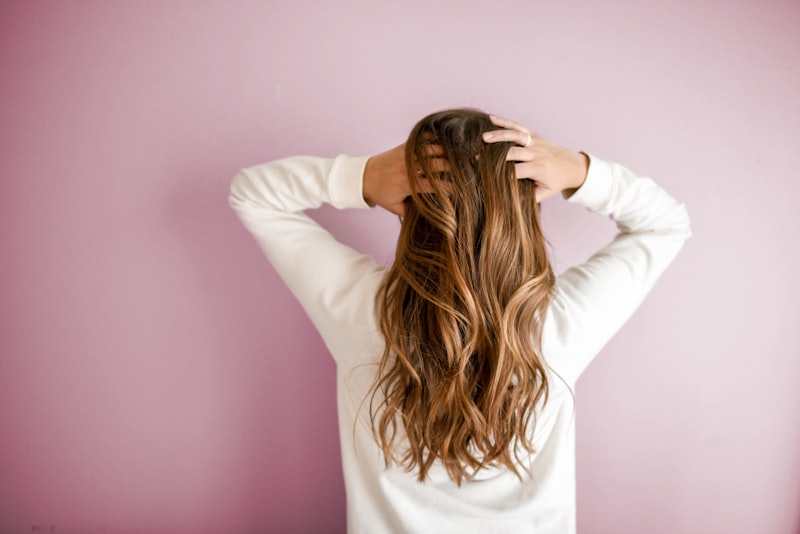
When it comes to short haircuts for women, professionalism is all in the details. After the cut has been made, pay attention to key areas, such as the nape of the neck and sideburns, to make sure the edges are clean and polished. These details are what will make the difference in the final result.
Critical Detail Areas:
1. Nape Refinement
The nape is often the most visible part of a short haircut from behind.
Techniques:
- Use clippers or trimmers for precision
- Taper gradually for natural finish
- Consider hair growth patterns
- Clean up baby hairs carefully
- Choose between soft or defined edges based on style
Pro tips:
- Check from multiple angles
- Use a hand mirror to show client
- Consider natural growth direction
- Taper rather than blunt cutting for most styles
2. Sideburn Shaping
Sideburns frame the face and must be symmetrical.
Key considerations:
- Match length to overall style
- Ensure perfect symmetry
- Blend seamlessly into hairline
- Consider facial features
- Taper or define based on look
Technique:
- Use ear as reference point
- Measure carefully for symmetry
- Blend gradually into surrounding hair
- Clean edges with trimmer
3. Hairline Detailing
Crisp, clean hairlines elevate the entire look.
Areas to refine:
- Temple region: Soften or sharpen based on style
- Behind ears: Clean and defined
- Front hairline: Respect natural line, clean baby hairs
- Nape corners: Smooth transitions
4. Internal Texture
The cut's interior is as important as the perimeter.
Refinement techniques:
- Point cutting for softness
- Slide cutting for seamless blends
- Razoring for ultimate texture
- Channel cutting for strategic thinning
- Notching for movement
5. Final Touches
The finishing checklist:
- ✓ Check symmetry from all angles
- ✓ Remove any stray hairs
- ✓ Ensure smooth transitions
- ✓ Verify length consistency
- ✓ Clean all perimeter edges
- ✓ Style to showcase the cut
- ✓ Take photos for portfolio
Tools for Perfect Detailing:
Essential tools:
- Sharp scissors for precision
- Texturizing shears for blending
- Trimmers for clean edges
- Fine-tooth comb for detail work
- Razor for ultimate texture
Remember: The difference between a good cut and a great cut is in the final 5 minutes of detail work. Never rush this stage.
Short Pixie Crop Women's
Guest Artist Mathew Sutcliffe demonstrates a creative women's pixie cut on thick dense hair for a beautiful soft textured finished with plenty of movement and fluidity for easy manageable styling.
This course showcases advanced techniques for creating a stunning pixie crop that celebrates natural hair texture while providing structure and shape.
Course Details
OBJECTIVES:
- Successfully map out and section the haircut
- Create a short textured shape and structure in the haircut
- Use a combination of texturing techniques to create movement
- Use a variety of hairdressing tools
- Work with texturising techniques
TECHNICAL SKILLS:
- Layering & graduation techniques
- Hairline shaping
- Razoring
- Texturising
TARGET AUDIENCE: All skill levels
What You'll Master:
Sectioning Strategy:
- Map the head for precision
- Create guide sections
- Plan cutting sequence
- Consider growth patterns
Texturing Techniques:
- Point cutting for softness
- Razoring for movement
- Channel cutting for bulk removal
- Slide cutting for seamless blends
Shape Creation:
- Build structure through graduation
- Create movement with layering
- Establish perimeter shape
- Refine internal texture
Finishing Details:
- Perfect the nape
- Shape sideburns
- Refine hairline
- Style for maximum impact
Learn this technique and more on The Circle Membership platform.
Women's Short Creative Cut
Guest Artist Mathew Sutcliffe demonstrates a short creative women's cut by working with different cutting techniques and combining shapes for a personal finish on this unique style that compliments the client.
This advanced course explores how to combine multiple cutting techniques to create truly unique, personalized short haircuts that celebrate individual style.
Course Details
OBJECTIVES:
- Create a short textured shape and structure in the haircut
- Use a combination of texturing techniques to create movement
- Combine various classic male hairdressing and barbering techniques
- Work with texturising techniques
TECHNICAL SKILLS:
- Scissor control
- Texturizing
- Sectioning patterns
- Cutting angles
TARGET AUDIENCE: Intermediate to Advanced
What You'll Learn:
Combining Techniques:
- Blend classic and modern methods
- Incorporate barbering techniques
- Mix soft and defined elements
- Create hybrid styles
Personalization Strategies:
- Adapt cuts to individual features
- Customize texture placement
- Modify proportions for face shape
- Add signature details
Creative Approaches:
- Break traditional rules thoughtfully
- Experiment with asymmetry
- Incorporate unexpected elements
- Develop your artistic voice
Scissor Mastery:
- Advanced cutting angles
- Precision control techniques
- Multiple texturizing methods
- Seamless blending skills
Unlock your creative potential with full-length tutorials on The Circle Membership.
Teaching a Stylish Woman How to Maintain and Style Her Look
The cutting process is just the beginning. To achieve a truly elegant style, it is crucial to advise your clients on how to maintain and style their new cut at home. Share helpful tips and suggest suitable hair care products to keep short hair looking groomed.
Essential Styling Education:
1. Product Recommendations
Provide specific product guidance based on their hair type and style:
For Fine Hair:
- Volumizing mousse for lift
- Light texturizing spray
- Dry shampoo for body
- Avoid heavy oils/creams
For Thick Hair:
- Smoothing cream for control
- Anti-frizz serum
- Styling paste for texture
- Light oils for shine
For Textured/Curly Hair:
- Curl-enhancing cream
- Leave-in conditioner
- Diffuser for drying
- Anti-humidity products
2. Daily Styling Routines
Teach three simple styling options for versatility:
Sleek and Polished:
- Apply smoothing cream to damp hair
- Blow dry with round brush
- Finish with shine serum
- Total time: 5-7 minutes
Textured and Tousled:
- Apply texturizing spray to damp hair
- Scrunch while air drying or diffusing
- Finish with light wax for definition
- Total time: 3-5 minutes
Effortless Chic:
- Apply styling cream to damp hair
- Blow dry roughly with fingers
- Add paste for piece-y texture
- Total time: 3 minutes
3. Maintenance Schedule
Set clear expectations for upkeep:
Trim Frequency:
- Pixie cuts: Every 3-4 weeks
- Short bobs: Every 4-6 weeks
- Textured crops: Every 3-5 weeks
- Undercuts: Every 2-3 weeks
At-Home Care:
- Quality shampoo and conditioner
- Weekly deep conditioning
- Regular scalp care
- Trim split ends between visits
4. Styling Tools
Recommend essential tools:
Must-haves:
- Good quality blow dryer
- Round brush (small to medium)
- Fine-tooth comb
- Straightener (optional)
Nice-to-haves:
- Diffuser attachment
- Texture tools
- Mini curling wand
- Styling clips
5. Growth Management
Prepare them for the growing-out process:
Tips for graceful growth:
- Regular trims maintain shape
- Adjust styling as length changes
- Use accessories during awkward stages
- Consider temporary length additions
Client Education Materials:
Provide take-home resources:
- Styled photo of their haircut
- Product list with specific names
- Simple styling instructions
- Maintenance schedule
- Your contact information
Digital support:
- Follow-up text with tips
- Video tutorial links
- Product purchase options
- Online booking reminders
Conclusion: The Art of Short Haircuts
The combination of technical and creative skills will allow us to provide our clients with the style that a stylish woman is looking for. Mastering short haircuts for women requires:
✓ Excellent consultation skills to understand client needs ✓ Technical precision for flawless execution ✓ Attention to detail for professional finishing ✓ Creative vision for personalized results ✓ Client education for lasting satisfaction
With Hair in Motion tutorials at your disposal, you are one step closer to becoming an expert in short haircuts for women! Remember that the key to success lies in continuous dedication to perfecting your skills and keeping your passion for hairdressing always in motion.
Master Short Haircuts with The Circle Membership

Ready to elevate your short cutting techniques? Join The Circle Membership and access:
✂️ Short Pixie Crop full-length tutorial with Mathew Sutcliffe ✂️ Women's Short Creative Cut advanced techniques ✂️ Multiple short haircut styles and variations ✂️ Consultation masterclasses for client communication ✂️ Face shape analysis comprehensive guides ✂️ Texturing techniques for every hair type ✂️ Styling demonstrations to teach your clients ✂️ Before and after transformations with detailed breakdowns
Explore The Circle Membership and become a short haircut specialist!
Transform your clients into stylish women with confidence and expertise.